
Most couples assume the Gulf Coast is a summer-only destination. White sand, warm water, long days. But after photographing along the Florida Panhandle through every season, I can tell you the quiet months are when this coastline really shines. Fall and winter bring softer light, thinner crowds, and a pace that feels unhurried, the kind of conditions that let a session feel relaxed instead of rushed.
If you've been putting off your engagement or portrait session because you think the "good season" has passed, this guide is for you.Below, we'll walk through what actually changes on the Gulf Coast between October and February, how to plan around it, and how to build a session that feels comfortable and intentional.

pensacola beach during a fall sunset. see how uncrowded it is, so much room for activities!
The Light: Why Winter Sun Is So Flattering
In fall and winter the sun sits lower in the sky, so you get that warm, directional light for a much bigger part of the day. Instead of a narrow golden-hour window, you often have a longer stretch of gentle light that makes skin tones look natural and gives photos depth.
A few things that change with the season:
Sunset comes earlier, so evening sessions can start at a comfortable hour instead of late at night
Midday light is less harsh than in summer, which opens up more scheduling options
Skies get more dramatic after cold fronts pass, with clear air and rich color at sunrise and sunset
Because sunset times shift through these months, planning your session around the actual sunset for your date matters more than picking a time on the clock.
Helpful Tip
Arrive early and plan to shoot a little before sunset, not just during it. The soft light leading up to the sun dropping is often the most flattering part of the session.
Weather: What to Actually Expect
Gulf Coast weather in the cooler months is generally mild, but it isn't uniform. Understanding the patterns helps you plan with confidence instead of guessing.
Fall
Early fall can still feel warm and humid, with a gradual shift toward comfortable days
Hurricane season officially runs through the end of November, so it's smart to build some flexibility into your date
Late fall tends to be one of the most comfortable stretches of the year
Winter
Temperatures swing more, and cold fronts can bring wind and a real chill, especially near the water
Clear, crisp days after a front often produce stunning light
Mornings can be cold, so plan layers for the start of your session
The goal isn't a perfect forecast. It's building in flexibility so the session still flows if conditions shift slightly.
Helpful Tip
Pick a backup date when you book, especially for winter. A rescheduled session on a clear, calm day is almost always worth it.
What to Wear When It's Cooler
Cooler weather is a gift when it comes to outfits. You can add texture and layers that would be miserable in July.
Layers like light jackets, cardigans, and wraps add depth and keep you comfortable
Earth tones and muted colors like creams, rust, olive, sage, and warm neutrals pair beautifully with fall coastal scenery
Textures such as knits, flowy fabrics, and denim photograph well in soft light
Wind-friendly choices since beach wind can pick up quickly in cold months
Footwear you can walk in, and a plan for going barefoot at the water if you want to
Bring something warm to throw on between locations. Staying comfortable is what keeps you relaxed on camera.
Helpful Tip
Start with one outfit you love and build the second look around it. Comfort and movement almost always photograph better than something stiff or overly styled.
Why Fall and Winter Work So Well on the Gulf Coast?
Summer gets the attention, but it also brings heat, humidity, afternoon storms, and the heaviest tourism of the year. All of that shows up in photos, in how you feel, and in how much space you have to move around.
Cooler months change the equation:
Fewer people on the beach, which means cleaner backgrounds and more privacy
Lower, softer light for more of the day
Comfortable temperatures that keep you relaxed instead of sweating through your outfit
More flexibility with parking, timing, and locations
The beaches are the same white sand and clear water. The difference is how the whole experience feels.
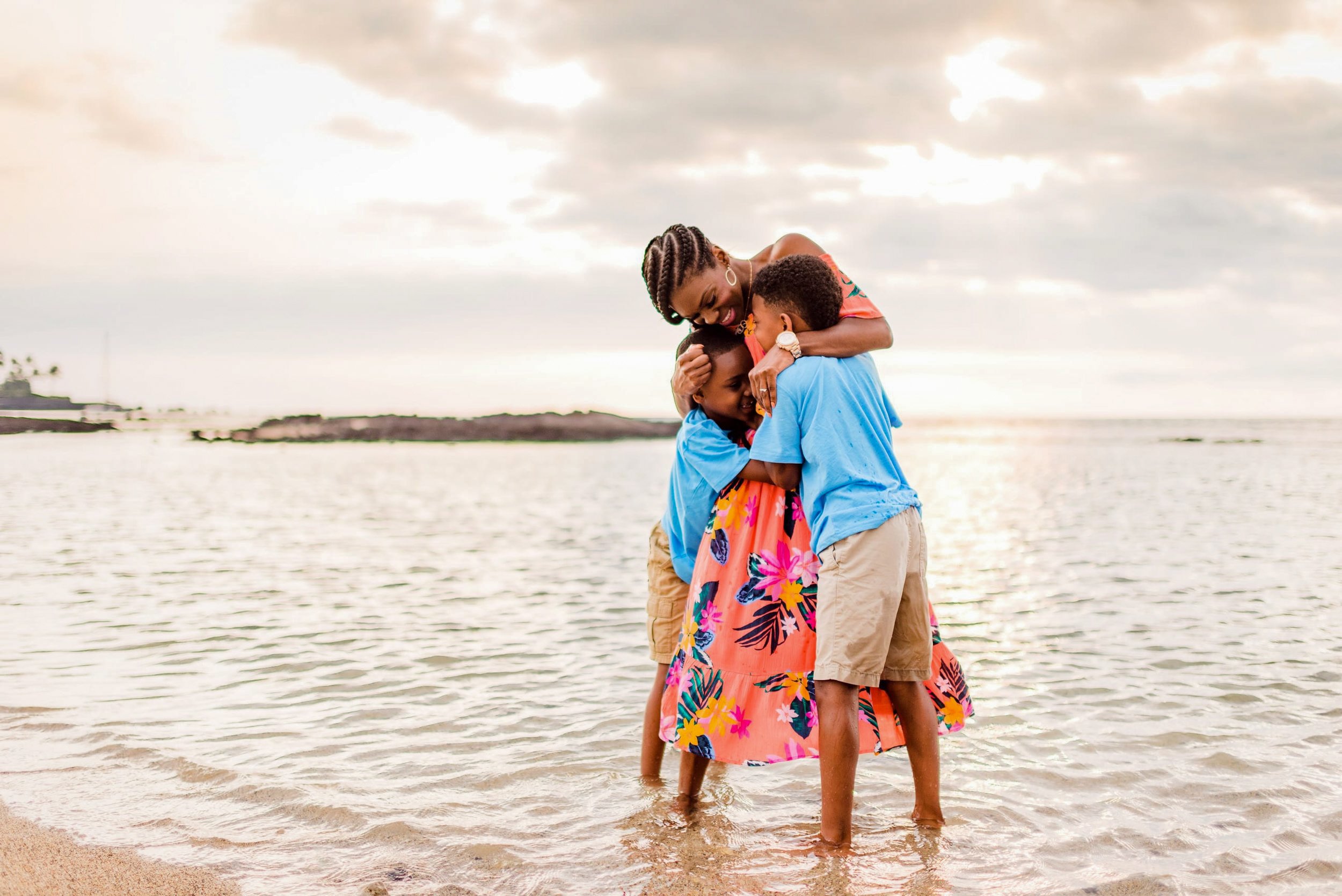
its hard not having your family photos turn out amazing during a gulf coast sunset
Privacy: The Biggest Perk
If there's one reason I recommend the off-season most, it's this. Popular spots like Pensacola Beach and Perdido Key can feel packed from spring break through summer. In the cooler months, the same stretches of shoreline are often wide open.
What that means for your session:
Fewer strangers walking through your frame
More freedom to move between spots without rushing
A more private, personal feel, especially at sunrise
Easier parking and simpler logistics
Quieter stretches of the Gulf Islands National Seashore, including areas near Fort Pickens and Opal Beach, are especially peaceful this time of year. Entrance fees and rules can change, so it's always worth confirming current details before your session date.
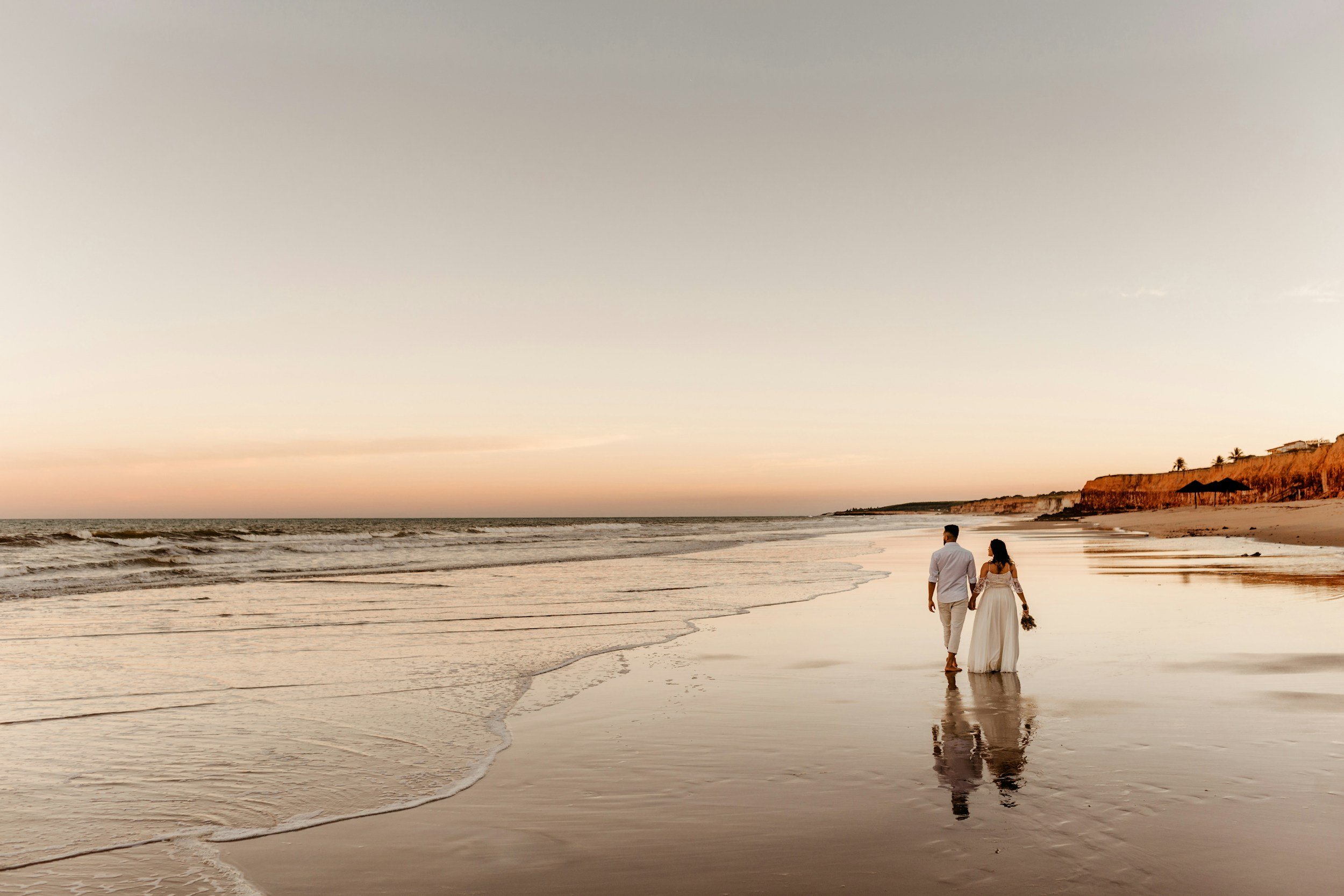
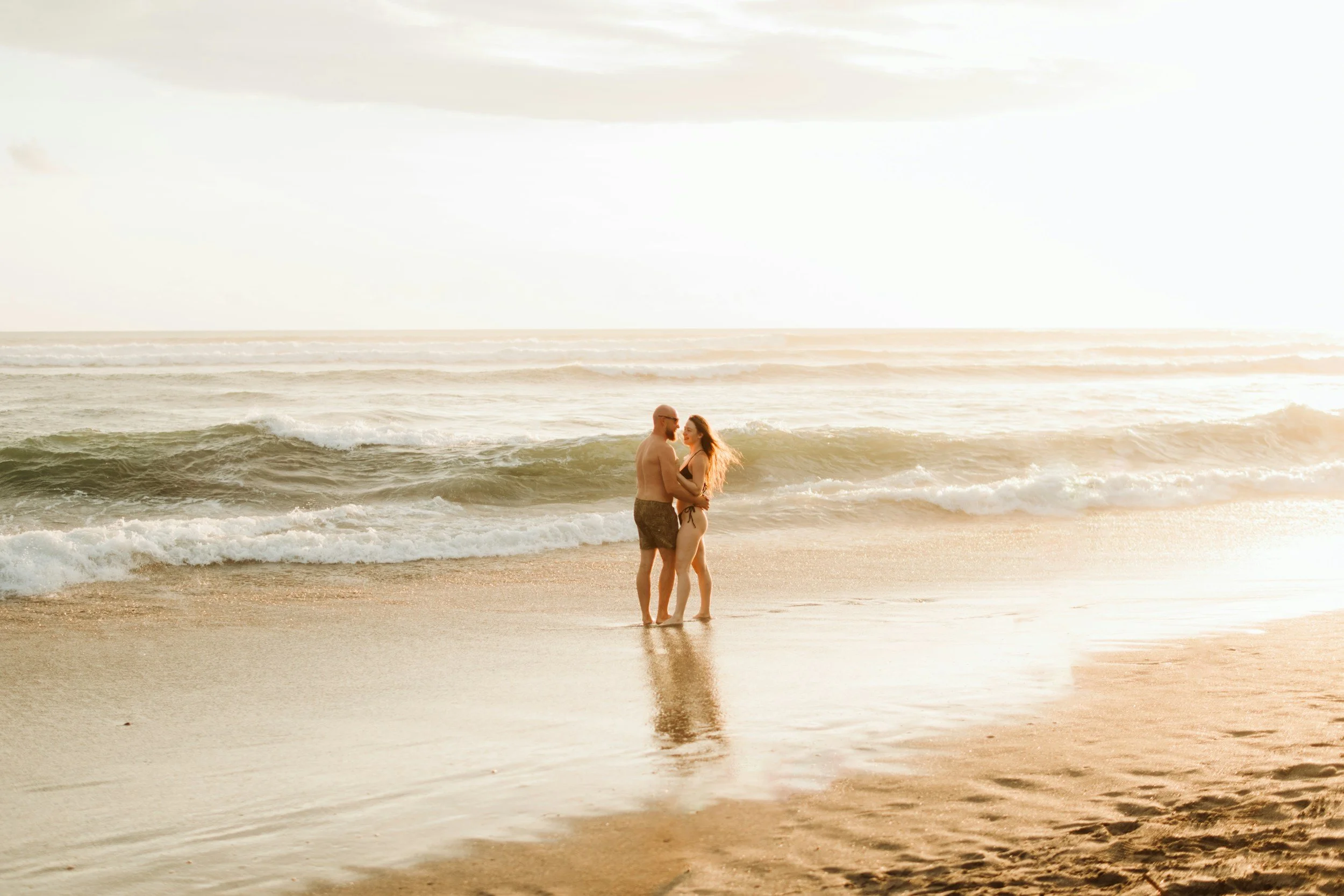
This couple is walking down gulf coast, and i didnt even have to edit anyone out of the background.
THIS COULD BE YOU!!!!!
Timing Your Session
Here's how the day tends to break down in the cooler months:
Sunrise: Quiet, calm, and often nearly empty. Cold in winter, so plan layers, but the light is beautiful.
Late afternoon into sunset: Warm tones and dramatic skies, with fewer people than in summer.
Midday: More workable than in summer, especially in shaded locations or on mild days.
If you're unsure, I'm happy to help you choose a time based on the location, season, and the feel you're going for.
Permits and Rules in the Off-Season
For simple, low-key sessions, permits are usually not required in public areas. Locations managed by state or federal agencies, such as the Gulf Islands National Seashore and Florida State Parks, may have their own guidelines, and policies can change with the season or special events.
Keeping your session simple, just the two of you with minimal props, almost always makes things easier. When in doubt, confirm current rules close to your date.
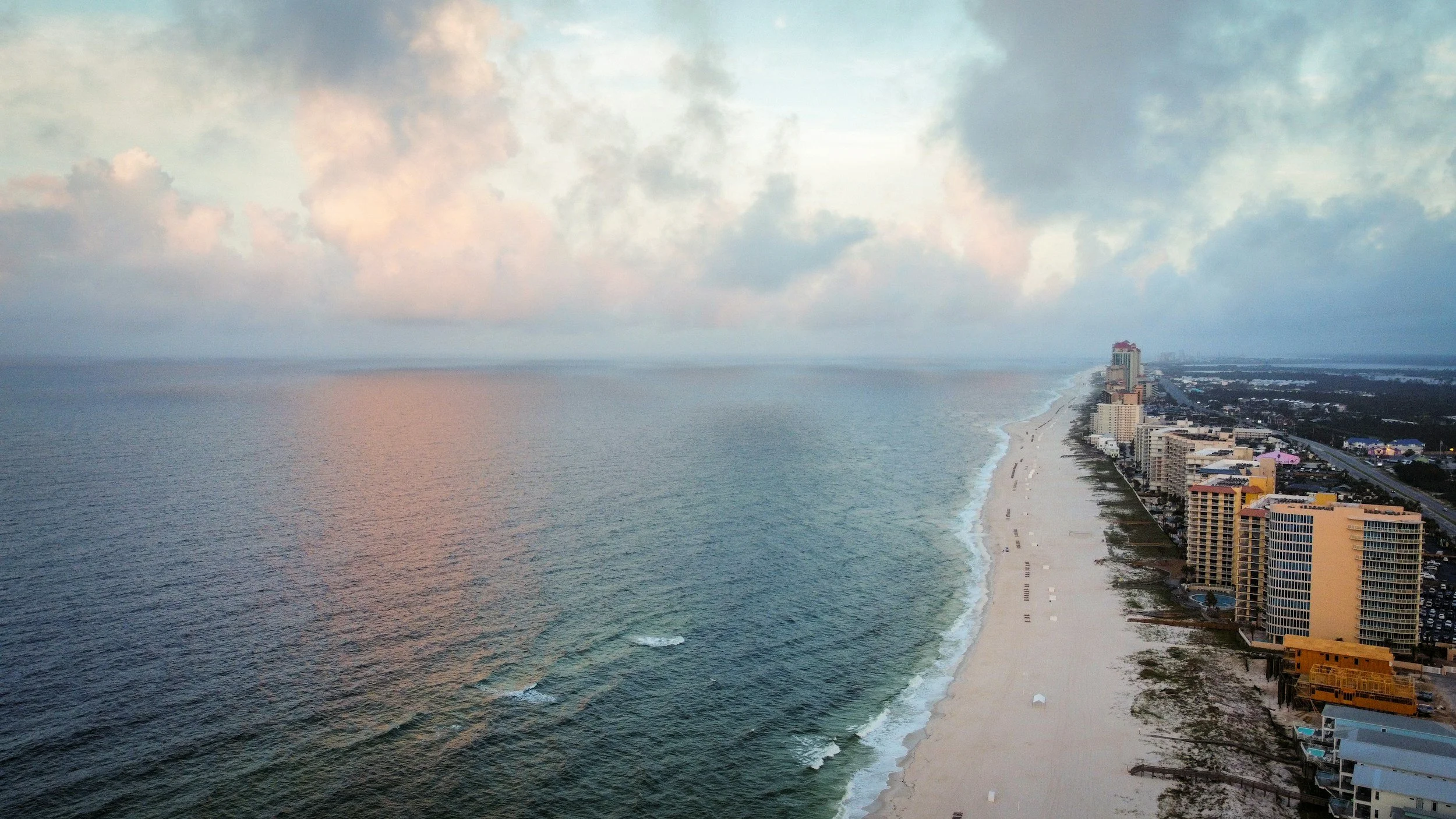
Why Couples Love Off-Season Sessions
When the crowds thin and the light softens, the whole session changes. There's more room to slow down, to laugh, and to actually be present with each other instead of managing the logistics. Those are the moments that end up in your photos.
The Gulf Coast doesn't stop being beautiful when summer ends. It just gets quieter, and in my experience, that's when it's at its best.
Best Locations for Fall and Winter Sessions
The cooler months open up locations that can feel too busy or too hot in summer.
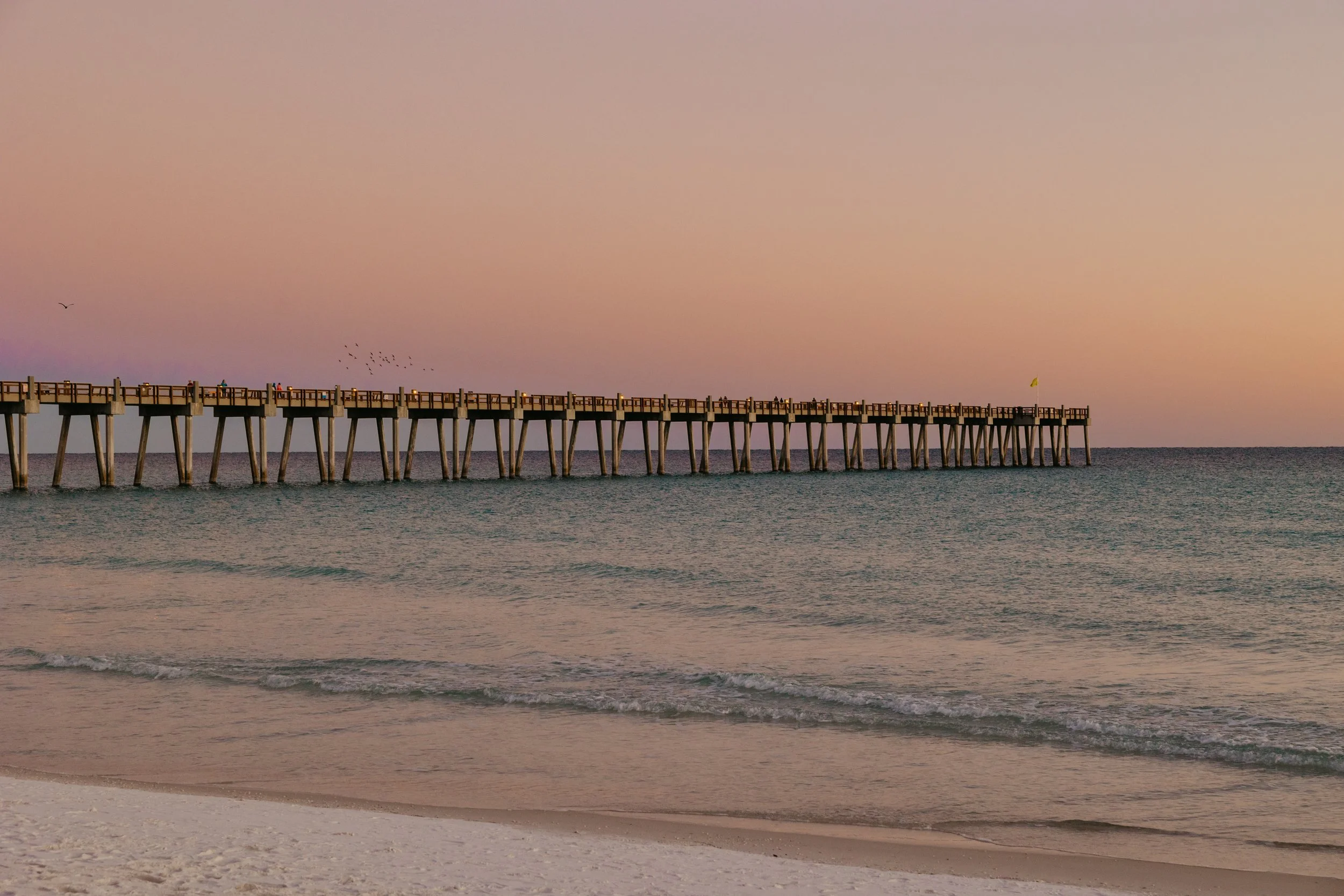
Pensacola Beach and Fort Pickens
Classic white sand with dunes, sea oats, and historic brick at Fort Pickens. Without summer crowds, you can use the full length of the shoreline and take your time.
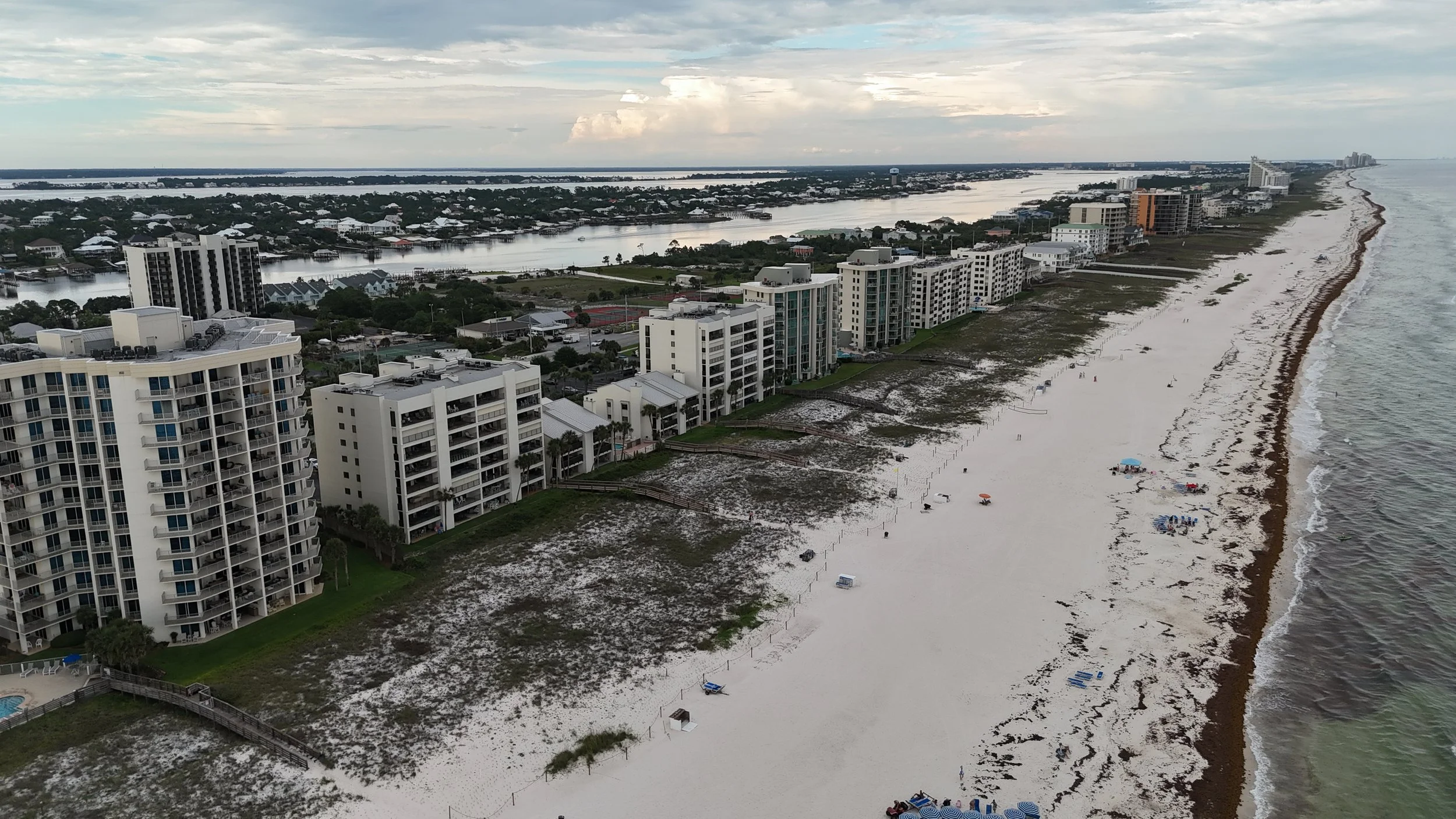
Perdido Key
Quiet dunes and wide-open beach, especially early in the day. A great fit if you want a more secluded, natural feel.

Downtown Pensacola
Historic streets, live oaks, and Spanish moss look great in softer light, and the cooler weather makes walking between spots far more comfortable.
Naval Live Oaks and Nearby Nature Preserves
Shaded trails and mature oaks photograph beautifully in fall light, and these spots stay peaceful year-round.

Want Help Planning Your Fall or Winter Session?
If you're deciding on a location, a time of day, or how to plan around the weather, you don't have to figure it out alone. I work with couples and individuals who want a session that feels relaxed, personal, and built around how they actually want the day to feel.
Reach out through the contact form below, or check my pricing page to see what's included, and let's find the right spot and time for you.
