How to Plan a Beach Wedding in Pensacola Step-by-Step
Planning a beach wedding in Pensacola sounds effortless on paper—sand, sea breeze, golden light—but in reality, it’s one of those experiences that looks simple while requiring thoughtful planning behind the scenes.
Between changing weather patterns, beach-specific rules, permit requirements, and the reality of public shoreline access, the difference between a calm, meaningful day and a stressful one often comes down to preparation. This guide walks you through exactly how to plan a Pensacola beach wedding step-by-step, so nothing important gets overlooked, and so your day feels intentional instead of improvised.
Whether you’re envisioning a quiet sunrise ceremony, an intimate gathering at sunset, or a just-us-two elopement with the Gulf as your witness, the steps below are designed to help you make informed decisions that actually work in real-world beach conditions.
Step 1: Choose the Right Beach Location (Not All Pensacola Beaches Are the Same)
One of the biggest misconceptions about planning a beach wedding in Pensacola is assuming that any stretch of sand will work the same way. In reality, the specific beach you choose influences everything from how private your ceremony feels to what’s allowed, how the day flows, and how much flexibility you have.
The Pensacola area includes a mix of public beaches, protected land, and federally managed shoreline, each with different rules, access points, and levels of privacy. Some beaches allow small ceremonies with minimal permitting, while others require advance approval or restrict décor, seating, or amplified sound entirely.
For example, areas within Gulf Islands National Seashore operate under different regulations than sections of Pensacola Beach or quieter stretches like Opal Beach. Crowd levels, parking logistics, and even wind exposure can vary dramatically from one location to another—even if they’re only a few miles apart.
When choosing your beach location, it’s important to consider:
How private the area typically feels at your preferred time of day
Whether guests need easy access or parking nearby
What permits or permissions may be required
How wind, dunes, and shoreline shape affect ceremony setup
This is also where many couples benefit from reviewing a broader list of Pensacola-area beach venues and ceremony locations, especially if they want to compare options side by side before committing to one spot.
Choosing the right beach from the start makes every step after this—timing, permits, coverage, and overall experience—significantly smoother.
Step 2: Choose the Best Time of Year for a Pensacola Beach Wedding
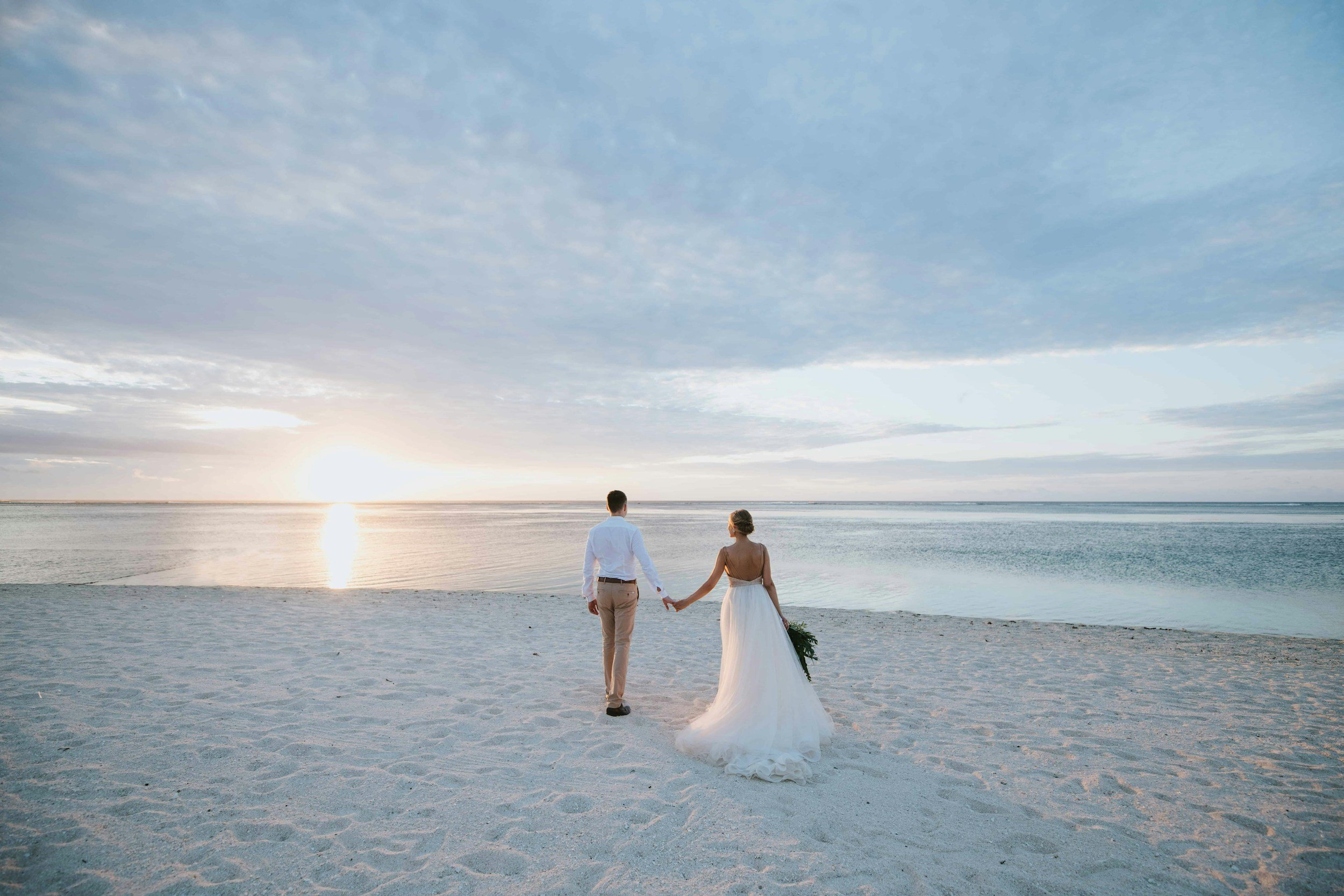
Once you’ve narrowed in on the right beach location, the next most important decision is when your wedding takes place. In Pensacola, seasonality affects far more than temperature—it influences crowd levels, wind, humidity, and how flexible your timeline can realistically be.
Spring and fall are generally the most comfortable seasons for beach weddings, offering milder temperatures and more predictable conditions. Summer brings longer daylight and vibrant color, but also higher humidity, stronger afternoon storms, and heavier tourism. Winter can be surprisingly beautiful, though cooler temperatures and wind exposure should be considered, especially for guests.
What matters most is matching the season to your priorities:
Do you value privacy over warmth?
Are you flexible if weather shifts slightly?
Will guests be attending, or is this a just-the-two-of-you ceremony?
Pensacola’s Gulf coastline doesn’t behave the same way year-round, and planning around those patterns helps avoid unnecessary stress. Choosing the right season allows you to design a day that feels relaxed instead of reactive.
Step 3: Plan Around Weather, Light, and the Time of Day
Time of day is one of the most underestimated elements of beach wedding planning—and it can dramatically change how your ceremony feels.
Midday ceremonies often come with stronger wind, harsher overhead light, and peak public beach activity. While they may seem convenient, they usually offer the least privacy and the most environmental challenges.
Sunrise and sunset ceremonies tend to work far better on the beach. Sunrise offers cooler temperatures, calmer wind, and quiet shoreline conditions often with near-empty beaches. Sunset ceremonies bring warmer tones and dramatic skies, though they usually require more awareness of crowds and timing.
Light direction also matters. Where the sun rises and sets over the Gulf affects:
Ceremony positioning
How comfortable guests feel
How evenly light falls during vows
Planning your ceremony around light and weather patterns isn’t about perfection. It’s about building in flexibility so the day flows smoothly even if conditions shift slightly.
If you’re unsure which time of day fits your vision, this is where having a clear understanding of Pensacola’s seasonal light and weather patterns can make decision-making much easier.
Step 4: Permits, Rules, and What’s Actually Allowed
This is the step that tends to feel intimidating—but it doesn’t have to be.
Beach weddings in the Pensacola area aren’t governed by a single set of rules. Requirements vary based on who manages the land, how many people are present, and what you plan to bring onto the beach. Understanding this early prevents last-minute stress and helps you design a ceremony that fits within the guidelines instead of fighting against them.
Some locations, especially those within protected or federally managed areas like Gulf Islands National Seashore, may require advance permits, proof of liability insurance, or have limitations around décor, seating, and sound. Other stretches of beach allow small, low-impact ceremonies with fewer formal requirements but still have expectations around public access and environmental protection.
What’s typically regulated:
Ceremony size (number of guests present)
Physical items (arches, chairs, rugs, tables)
Sound (amplified music or speakers)
Foot traffic (staying off dunes or protected areas)
Setup and breakdown time
What often surprises couples is that simplicity works in your favor. Minimal setups, short ceremony windows, and flexible timelines usually make approvals easier, if they’re required at all.
It’s also important to remember that these beaches are shared spaces. Even with a permit, you’re not “closing off” the shoreline. Planning with that in mind—choosing the right location, time of day, and setup—goes a long way toward creating a calm, uninterrupted experience.
Rather than viewing permits and rules as obstacles, it helps to think of them as frameworks. Once you understand what’s allowed, you can confidently plan a ceremony that feels intentional, respectful, and stress-free without worrying about last-minute surprises or enforcement issues on the day of your wedding.
Step 5: Understand Drone Rules Before You Plan for Aerial Coverage
Drone footage can be a beautiful addition to a beach wedding, but along the Florida Panhandle it’s something that needs to be planned intentionally—not assumed.
One of the biggest misconceptions couples have is thinking that because a ceremony is on an open beach, drones are automatically allowed. In reality, rules vary based on who manages the land, nearby protected areas, airspace restrictions, and even the time of day. Some beaches prohibit drones entirely, while others allow them only under specific conditions.
Before building aerial coverage into your wedding plans, it’s important to understand the drone rules for weddings in the Florida Panhandle and how those regulations apply to your specific beach location. These rules are often separate from ceremony permits and can easily be overlooked during early planning.
If drone footage is important to you, approvals should never be treated as a last-minute detail. Knowing how to get drone shots approved for your ceremony early in the process helps set realistic expectations and ensures there’s a clear plan in place well before the wedding day.
When handled thoughtfully, drone coverage can add perspective without disrupting the experience. When it’s assumed without confirmation, it can introduce stress, delays, or disappointment. Planning with clarity allows you to decide whether aerial footage truly enhances your day or whether a ground-based approach better supports the calm, intentional experience you’re aiming for.
Step 6: Why Venue Choice Matters for Photography & Video Coverage
Where you get married on the beach doesn’t just affect the view—it directly shapes what can be captured and how your day is documented.
Wide-open beaches offer incredible scenery, but they also come with unique challenges. There’s often no shade, wind can shift unexpectedly, and audio can be affected by waves and weather. The direction you face during the ceremony, how close you are to the shoreline, and even the slope of the sand all influence lighting, sound, and movement during key moments.
This is why venue choice and coverage decisions are closely connected. Some locations lend themselves beautifully to still photography, while others benefit from motion and sound to fully tell the story. Understanding the strengths and limitations of your chosen beach helps you decide what kind of documentation will feel most meaningful afterward.
If you’re weighing different coverage options, it can be helpful to step back and think through choosing between photos, video, or both for your wedding, especially in a beach environment where conditions aren’t fully controllable. The goal isn’t to capture everything—it’s to capture what matters most in a way that feels natural and unobtrusive.
Thoughtful planning here ensures your coverage complements the experience instead of dictating it. When photography and video are aligned with the location and flow of the day, the result feels effortless rather than overproduced.
Step 7: Build a Vendor Team That Understands Beach Logistics
Beach weddings come with a unique set of variables, and having the right vendor team makes a noticeable difference in how smoothly the day unfolds. This isn’t about hiring more vendors, it’s about choosing professionals who understand how to work within a beach environment.
Wind, shifting light, sand, public spaces, and limited setup time all require a different approach than traditional venues. Vendors who are familiar with beach ceremonies know how to move efficiently, adapt when conditions change, and keep the experience calm rather than chaotic.
When building your vendor team, look for people who:
Are comfortable working in public spaces
Plan with flexibility rather than rigid timelines
Have experience managing environmental factors like wind and heat
This is especially important when hiring a videographer. Beach ceremonies present specific challenges with audio, wind noise, and movement, and the right questions upfront can help you understand how prepared someone is to handle those conditions. If video coverage is part of your plans, it’s worth reviewing what to ask a wedding videographer in the Florida Panhandle so you can feel confident in how your ceremony will be captured.
Ultimately, your vendor team should support the flow of the day, not pull focus from it. When everyone involved understands the environment and plans accordingly, you’re free to stay present and enjoy the experience instead of managing logistics.
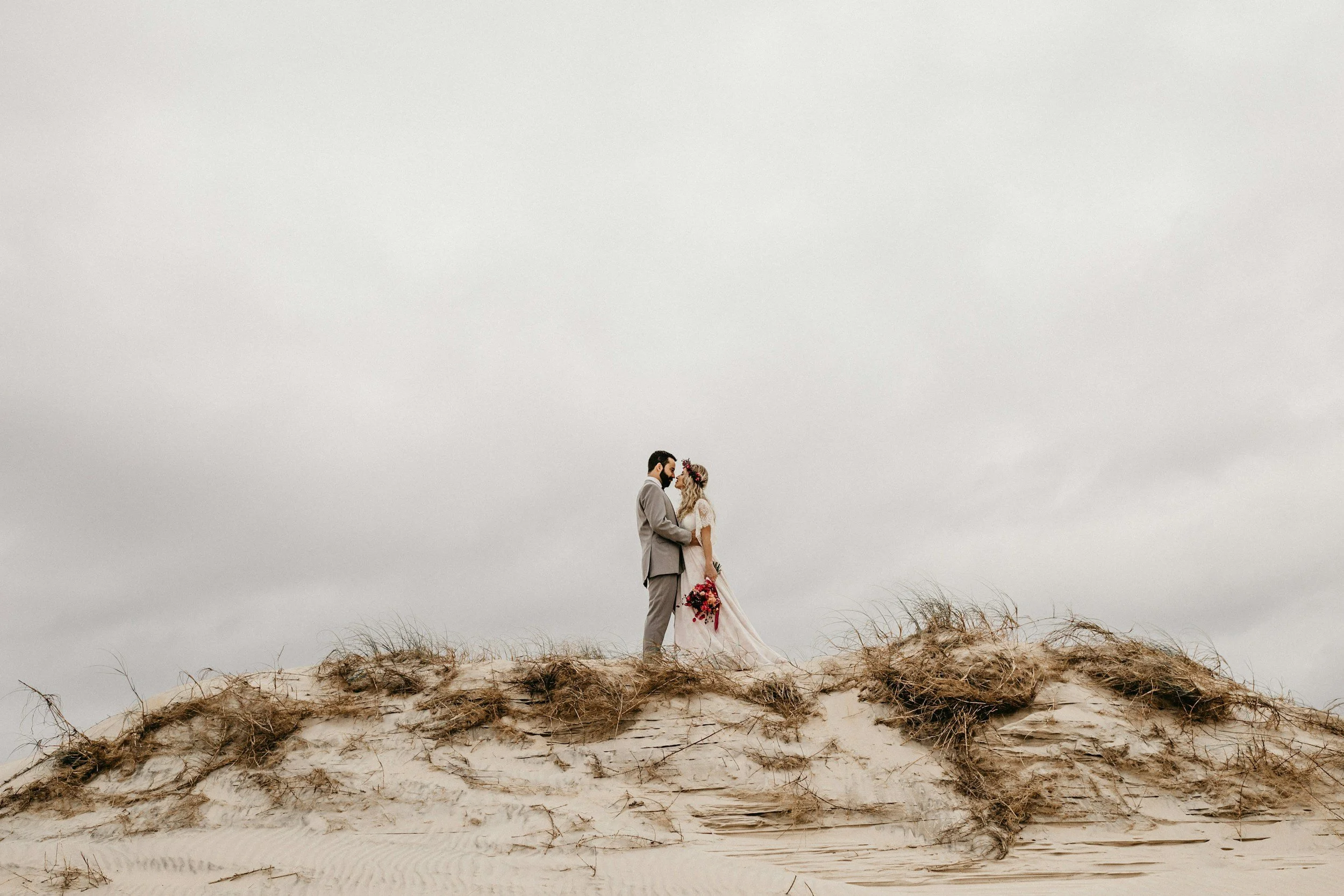
Step 8: Plan for Comfort (This Is Where Experience Shows)
One of the biggest differences between a beach wedding that feels relaxed and one that feels exhausting comes down to comfort.
The beach is a beautiful setting, but it’s also an active environment. Sand shifts underfoot, wind moves constantly, and shade is limited. Planning with comfort in mind allows you to stay present during your ceremony instead of counting the minutes until it’s over.
Comfort planning often includes:
Choosing footwear that works on sand, or planning to go barefoot intentionally
Selecting attire that allows movement and breathability
Accounting for wind when it comes to hair, veils, and lightweight fabrics
Building in water breaks and small pauses in the timeline
This is also where flexibility becomes essential. Beach conditions can change quickly, and allowing space in the day for small adjustments—stepping slightly closer to the dunes, shifting ceremony positioning, or taking a moment to reset—keeps everything feeling grounded rather than rushed.
When comfort is prioritized, couples tend to remember how the day felt, not the logistics behind it. Thoughtful planning creates room for laughter, stillness, and genuine moments—without the distractions that can come from discomfort or overplanning.
Step 9: Think Beyond the Ceremony (Photos, Celebration, Experience)
A beach wedding doesn’t have to end the moment the ceremony is over. In fact, some of the most meaningful moments often happen after—when the formalities fade and the experience settles in.
Many couples choose to extend their wedding day with a quiet walk along the shoreline, relaxed portraits as the light changes, or a simple celebration elsewhere once the beach ceremony wraps up. Because beach weddings are typically more streamlined, there’s often room to design the day around how you actually want to spend it rather than following a traditional schedule.
This might look like:
Sunset portraits at a second location
A casual dinner or beachfront restaurant
A private picnic or toast near the water
Time set aside simply to be together without an agenda
Thinking beyond the ceremony also helps with planning coverage, timelines, and energy levels. When the full experience is considered from the start, nothing feels rushed or tacked on at the end.
This approach keeps the wedding day grounded, intentional, and centered on how you want it to feel, not just how it looks.
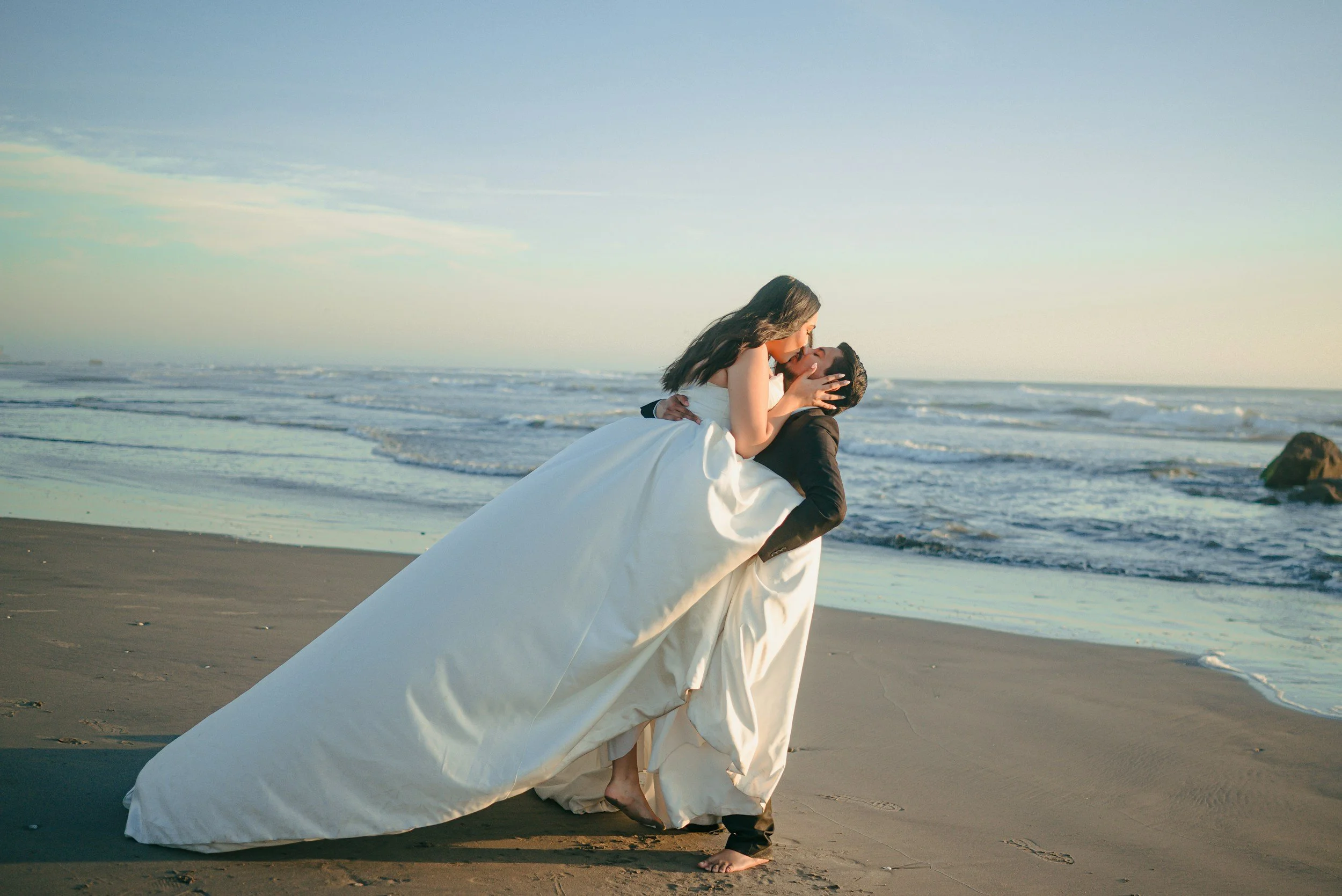
Final Step: Compare Photography Packages the Right Way
Once you’ve worked through location, timing, rules, and comfort, the last piece of planning is choosing coverage that supports the kind of experience you’re creating.
Beach weddings benefit from an approach that prioritizes flexibility and flow over rigid timelines. Conditions can shift, moments unfold organically, and the best coverage allows space for that rather than forcing the day into a strict structure.
When comparing photography packages, it’s worth looking beyond just hours and deliverables. Consider:
How flexibility is built into the coverage
Experience with public beach environments
Comfort navigating permits, light, and weather
Support with timeline planning and logistics
Coverage should feel like a layer of support, not another thing you have to manage. Understanding wedding photography packages in Pensacola and what to compare can help you evaluate options with clarity and confidence so the choice you make aligns with how you want your wedding day to feel.
Thoughtful planning at this stage brings everything together. When coverage, logistics, and expectations are aligned, you’re free to be present and enjoy the experience you’ve intentionally designed.
Planning a beach wedding in Pensacola doesn’t have to feel overwhelming. With the right location, timing, and support in place, the day can feel simple, intentional, and genuinely enjoyable. Thoughtful planning creates space for presence, and that’s what most couples remember long after the sand is gone and the day has passed.
Want help turning this plan into a calm, well-supported wedding day?
If you’re looking for guidance with location decisions, timing, and coverage that’s built around flexibility, not pressure, you don’t have to navigate it alone. I work with couples who want a beach wedding that feels grounded, unrushed, and intentionally designed from start to finish.
You can explore wedding photography packages in Pensacola and what to compare or reach out if you’d like to talk through what would work best for your day.